If you drive daily inside Al Zulfi or use your vehicle for trips between the city and surrounding roads, keeping track of your engine oil schedule helps maintain the efficiency of the lubrication system and prevents running the engine with oil that has exceeded its service life.
When searching for an oil change in Al Zulfi, it is important not to choose a service location based only on proximity. You should also make sure that the correct oil viscosity and specifications are used for your engine, along with a compatible filter and maintenance performed according to the manufacturer’s recommendations.
Where Can You Find Rafa in Al Zulfi?
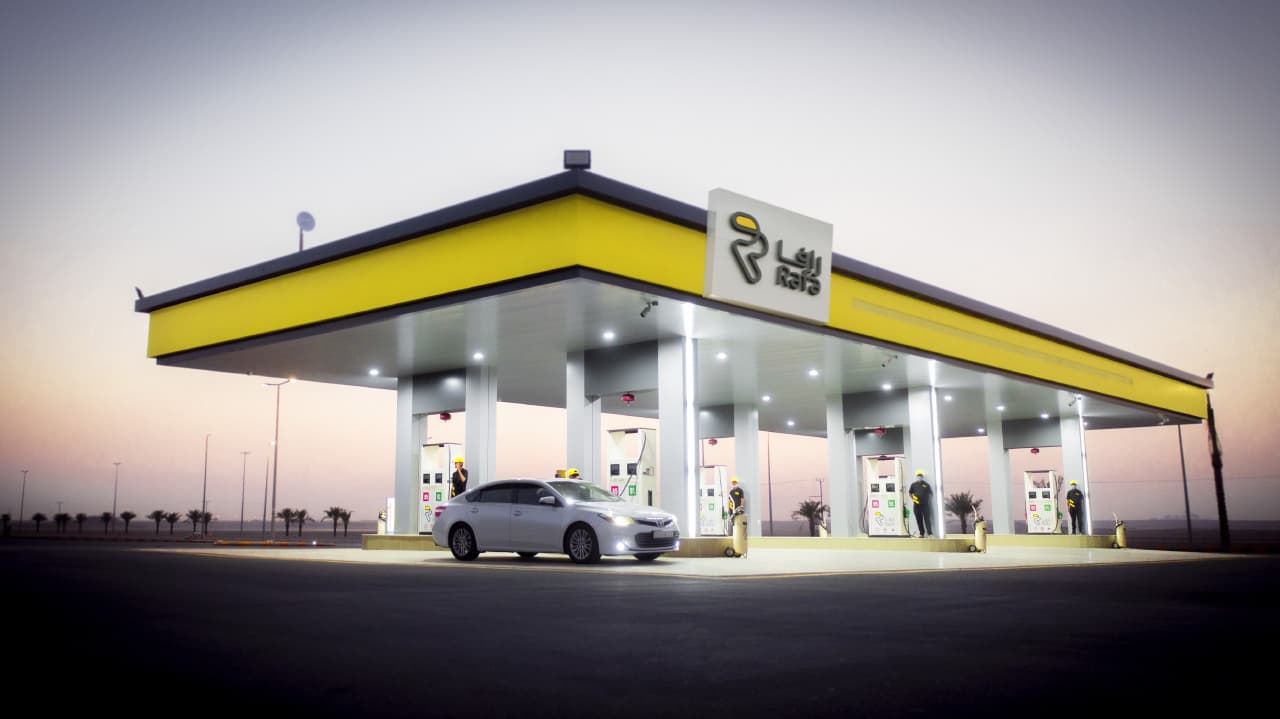
Rafa has a branch inside Al Zulfi as part of its network of locations across several cities. According to the official branches page, it is Rafa 15 located in Al Yamamah District on King Abdulaziz Road.
Having a branch inside the city makes it convenient for Al Zulfi residents or drivers passing through King Abdulaziz Road, especially when they want to combine fuel stops with vehicle services during the same visit.
Rafa provides vehicle services including oil changes, tire services, battery services, and car washing.
You can check Rafa branches to find the Al Zulfi location before visiting. It is also recommended to contact the branch in advance if you want to confirm oil availability or the specific service your vehicle requires.
What Should You Know Before Changing Your Car Oil?
Choosing the correct oil starts with the vehicle itself, not with the brand name or price.
The same vehicle model may come with different engines, and each engine can require a specific viscosity grade or specification.
Before visiting the branch, prepare the following information:
- Vehicle manufacturer.
- Model and production year.
- Engine type and capacity.
- Required oil viscosity grade.
- Manufacturer-recommended specifications and approvals.
- Required oil quantity during replacement.
- Suitable oil filter type.
Engine oil specifications are more important than relying only on viscosity numbers.
You may find two oils with the same grade, such as 5W-30, while their technical specifications or approvals are different.
For this reason, it is better to refer to the owner’s manual or official maintenance schedule and compare the required information with the oil used during service.
How Do You Choose the Right Oil for Driving Conditions in Al Zulfi?
Driving in hot climates or dusty areas makes some drivers assume that thicker oil is always better, but this rule is not correct for all engines.
Choosing oil viscosity should primarily depend on manufacturer recommendations.
Modern engines are designed to operate with specific viscosity grades, and some manufacturers may allow more than one option depending on temperature and operating conditions.
If your vehicle manual recommends one viscosity grade, do not change it on your own.
If multiple options are listed, choose the appropriate grade within the temperature range and conditions specified by the manufacturer.
You should also understand the difference between viscosity and oil type, because oil may be mineral, synthetic, or made with different technologies and formulations, while meeting the required specifications remains the main factor.
Synthetic and Mineral Oil: What Is the Difference When Choosing?
When comparing synthetic and mineral oil, neither should automatically be considered suitable for every vehicle.
Synthetic oils are manufactured with formulations designed to provide stable performance characteristics under different operating conditions, while mineral oils use different base oils and may be suitable for certain engines and applications.
The most important factor is what your vehicle manufacturer recommends.
If the manufacturer requires a specific type or specification, it should be followed.
Do not use synthetic oil with the goal of extending maintenance intervals beyond what the manufacturer allows. Oil replacement timing also depends on engine condition, driving conditions, and the maintenance schedule.
When Do You Need an Oil Change in Al Zulfi?
The replacement interval differs from one vehicle to another, so there is no single mileage number that applies to all cars.
The oil change schedule depends on:
- Distance driven since the last service.
- Time since the previous oil change.
- Engine type.
- Oil type used.
- Frequent short trips.
- Driving in dusty conditions.
- Long periods of operation.
- Manufacturer recommendations for normal or severe usage.
A vehicle used daily inside the city for short trips with frequent stops and starts operates under different conditions from a vehicle that spends most of its time on open roads.
Therefore, keep records of maintenance dates and mileage each time to easily track the next service appointment.
What Should You Know About Oil Change Prices Before Visiting the Branch?
Oil change prices may be one of the first things drivers want to know before service, but the cost usually depends on more than one factor.
The price may vary depending on oil type, required oil quantity, filter type, and the service needed.
Therefore, do not choose the cheapest oil before knowing your vehicle specifications.
The correct oil is the one that meets your engine requirements first. After that, you can compare available options with the same specifications.
If you want to know the current cost, it is best to contact Rafa directly and provide your vehicle details, as prices and availability may change and should not be based on a fixed number without confirmation.
How Long Does an Oil Change Service Take?
The oil change service duration varies depending on the vehicle design, filter location, drain plug accessibility, workload at the location, and whether additional inspection points are needed.
A proper service includes more than simply draining old oil and adding new oil.
Important steps include:
- Draining the oil correctly.
- Installing the compatible filter.
- Adding the correct oil quantity.
- Starting the engine and checking for leaks.
- Reviewing oil level after service.
- Recording the new maintenance date or mileage.
Therefore, do not choose a service location based only on speed. Focus on completing the required steps correctly.
You can explore Rafa vehicle services, where the company lists oil changes among its available automotive services.
What Makes Choosing a Nearby Service in Al Zulfi Beneficial?
When the maintenance location is part of your daily route, keeping up with service appointments becomes easier, especially for drivers who use their vehicles regularly and do not want to delay maintenance because of distance.
The oil services at Rafa stations are part of the vehicle care services offered by the company and can be considered when looking for maintenance solutions.
Since Rafa 15 is located in Al Yamamah District on King Abdulaziz Road, you can check its location and choose a suitable visit time based on your route.
Before visiting, it is better to know your vehicle details and required oil specifications, especially if your engine requires a specific viscosity or approval.
Frequently Asked Questions
Is There a Rafa Branch in Al Zulfi?
Yes. The official branches page lists Rafa 15 in Al Zulfi, Al Yamamah District, on King Abdulaziz Road.
Is the Most Expensive Oil Better for the Engine?
Not necessarily. The best choice is the oil that matches the viscosity, specifications, and approvals required by your vehicle manufacturer.
Does Hot Weather Mean Using Thicker Oil?
It cannot be generalized. Always refer to your vehicle manual and use the viscosity grades approved for your engine and operating conditions.
Should the Oil Filter Be Replaced Too?
It depends on the vehicle maintenance schedule and manufacturer instructions, but many maintenance programs include replacing the filter together with the oil.
What Should I Do If the Vehicle Loses Oil Between Services?
If oil loss is frequent or noticeable, the vehicle should be inspected to identify the cause instead of only adding oil each time.